Discovering the Creative Inspirations Behind Yayoi Kusama’s Art
Yayoi Kusama’s visionary art continues to captivate global audiences, with her 2024 retrospective at Tokyo’s National Museum of Modern Art drawing over 800,000 visitors in just six months according to the Japan Times. Her distinctive polka dots, infinite mirror rooms, and pumpkin sculptures emerge from deeply personal experiences with mental health, childhood trauma, and Japanese cultural traditions. What drives an artist to transform psychological struggles into universally beloved masterpieces? Explore the profound inspirations from Yayoi Kusama that shaped contemporary art history.
The Psychological Depths Behind Her Iconic Polka Dot Universe
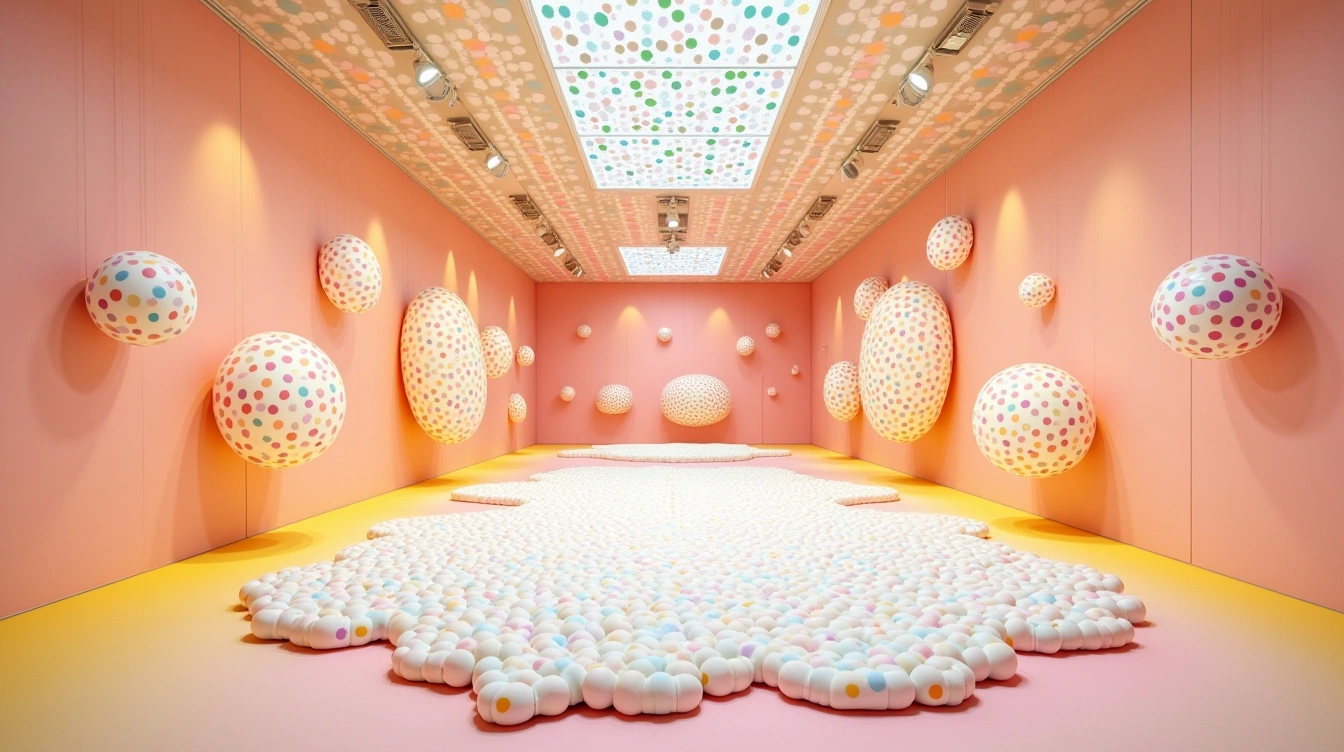
Yayoi Kusama’s legendary polka dots emerged from a deeply personal battle with mental health challenges that began in her childhood. At age ten, she started experiencing vivid hallucinations where dots, nets, and infinite patterns would consume her visual field, creating an overwhelming sensory experience that both terrified and fascinated her.
Also to discover : How are UK News Sources Impacting Public Opinion?
These hallucinatory episodes, which she describes as “polka dot invasions,” became the foundation of her artistic language. Rather than succumb to these visions, Kusama discovered that translating them into art provided profound therapeutic relief. The repetitive act of painting dots became a form of meditation, allowing her to externalize her internal chaos onto canvas and sculpture.
Her polka dots represent far more than decorative elements—they symbolize infinity, dissolution of the self, and the interconnectedness of all existence. Through this transformative process, Kusama converted her psychological struggles into a universal artistic vocabulary that resonates with viewers worldwide, proving that art can emerge from our deepest vulnerabilities and become a source of healing.
Also read : What role does social media play in UK politics today?
How Japanese Cultural Heritage Shaped Her Contemporary Vision
Yayoi Kusama’s revolutionary artistic vision emerged from a fascinating tension between traditional Japanese values and her desire for creative freedom. Growing up in a conservative family in Matsumoto during the 1930s, she experienced firsthand the rigid social expectations placed on young women in Imperial Japan.
Her family’s seed business connected her intimately with nature’s patterns and cycles, influences that would later manifest in her obsessive dot paintings. The traditional Japanese aesthetic of finding beauty in repetition and minimalism provided the foundation for her infinity installations, though she transformed these concepts into something entirely unprecedented.
The Zen philosophy of meditation through repetitive action deeply influenced her creative process. While traditional Zen sought inner peace through contemplation, Kusama channeled her psychological struggles into obsessive creation, turning potential torment into artistic breakthrough. This subversion of traditional Japanese spiritual practices became central to her contemporary vision.
Her rebellion against Japan’s patriarchal society pushed her toward international recognition, yet she never abandoned the cultural DNA that shaped her earliest perceptions of art, space, and infinity.
Essential Themes That Define Her Artistic Legacy
Yayoi Kusama’s artistic universe revolves around recurring themes that have shaped her creative vision for over seven decades. These profound concepts form the foundation of her most celebrated works, from polka dot installations to infinity rooms.
- Infinity and Obliteration: Her signature polka dots represent the dissolution of self into the universe. Works like “Infinity Mirror Rooms” create immersive experiences where viewers lose themselves in endless reflections, embodying her philosophy of cosmic unity.
- Obsession and Repetition: Kusama transforms her compulsive patterns into art. The repetitive nature of her pumpkin sculptures and dot paintings reflects her therapeutic approach to managing mental health through creative expression.
- Nature and Organic Forms: Pumpkins serve as her artistic alter ego, symbolizing fertility and rebirth. These bulbous forms appear throughout her career, from early paintings to monumental sculptures, representing comfort and spiritual connection.
- Death and Transcendence: Her work confronts mortality while celebrating life’s eternal cycle. The infinity rooms particularly explore themes of existence beyond physical boundaries.
- Love and Human Connection: Despite personal struggles with relationships, love appears as a redemptive force in her installations, offering hope through shared artistic experiences.
The Revolutionary Infinity Rooms: Personal Experience as Art
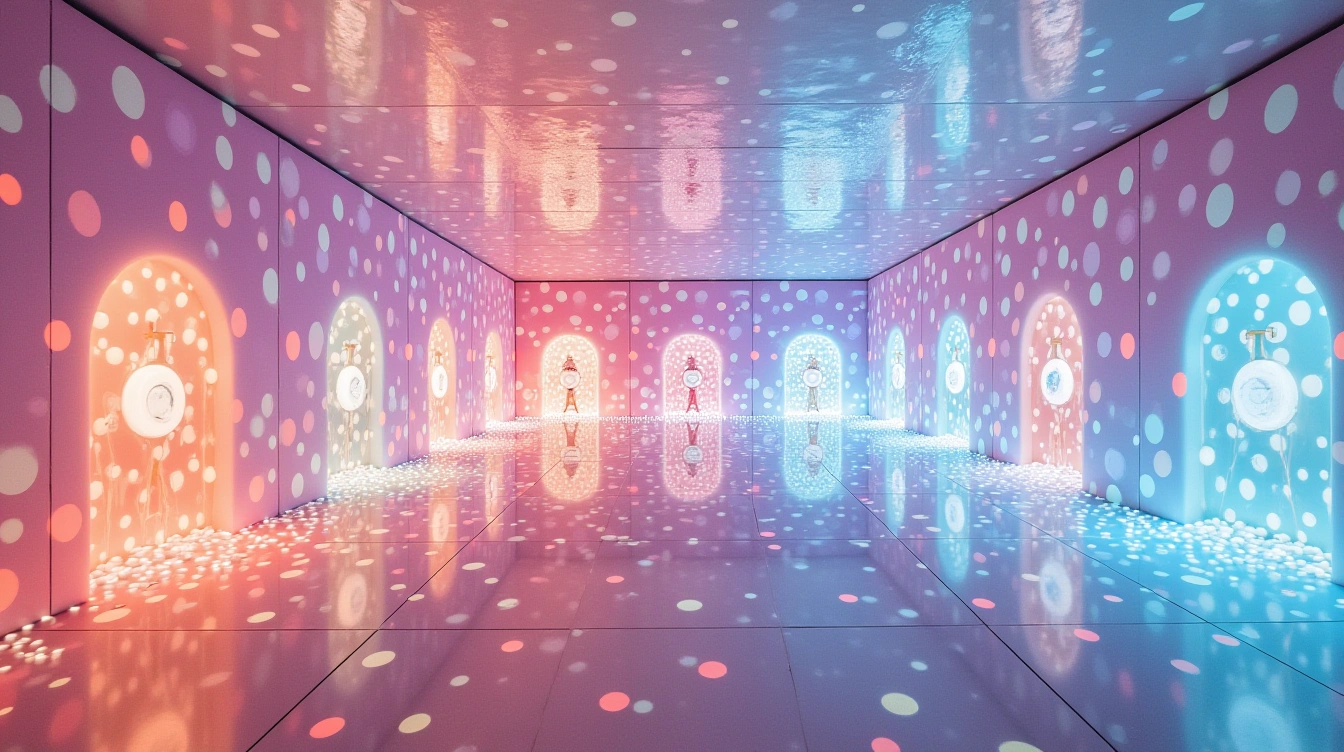
Kusama’s groundbreaking Infinity Rooms emerged from her deepest personal struggles with mental isolation and hallucinations. These immersive installations transform her childhood experiences of seeing endless polka dots into revolutionary artistic environments that envelop viewers completely.
Her difficult relationships and periods of voluntary confinement in psychiatric care became the foundation for creating spaces where visitors experience temporary isolation as art. Each mirrored chamber reflects her journey through psychological fragmentation while offering viewers a meditative escape from reality.
The spiritual dimension of these works stems from Kusama’s lifelong quest to transcend personal suffering through artistic expression. Her rooms create what she calls “self-obliteration” – a therapeutic process where individual identity dissolves into infinite repetition, mirroring her own healing journey.
Today, these installations attract millions worldwide, proving how personal trauma can transform into universal artistic experiences. Museums report waiting times exceeding hours as visitors seek their own moment of transcendence within Kusama’s carefully crafted infinity.
Collecting These Inspiring Artworks: What Serious Art Enthusiasts Should Know
Building a meaningful collection of Kusama-inspired artworks requires careful consideration of authenticity, artistic merit, and long-term value. Serious collectors understand that these pieces represent more than decorative objects—they embody a revolutionary artistic vision that continues to shape contemporary art.
When evaluating potential acquisitions, examine the quality of materials, printing techniques, and provenance documentation. Official editions carry certificates of authenticity and detailed production information that protect your investment. The current market offers remarkable diversity, with carefully curated pieces ranging from €250 for smaller prints to €60,000 for major works.
Consider how each piece fits within your broader collection narrative. Kusama’s polka dots and infinity themes work exceptionally well alongside other contemporary artists who explore repetition, pattern, and psychological space. The most astute collectors focus on works that demonstrate clear artistic evolution and cultural significance.
Market timing plays a crucial role in serious collecting. Limited editions from established galleries often appreciate steadily, particularly when accompanied by comprehensive documentation and proper conservation. Smart collectors also consider display requirements, as these vibrant works deserve presentation that honors their transformative power and cultural importance.
Your Questions About Kusama’s Artistic Inspirations
What inspired Yayoi Kusama to create her famous polka dot art?
Kusama’s polka dots originated from childhood hallucinations where she saw repetitive patterns covering everything. These “infinity nets” became her signature, representing both her mental struggles and artistic liberation through repetitive visual therapy.
How did Yayoi Kusama’s mental health influence her artistic vision?
Kusama transforms her mental health challenges into powerful art. Her obsessive-compulsive tendencies fuel repetitive patterns, while hallucinations inspire immersive installations that help her cope with psychological distress through creative expression.
What are the main themes and inspirations in Yayoi Kusama’s pumpkin sculptures?
Kusama’s pumpkin sculptures reflect childhood memories of her family’s seed nursery. She sees pumpkins as charming, humble objects representing stability and comfort, often covering them in signature polka dots.
How did Japanese culture inspire Yayoi Kusama’s contemporary art style?
Japanese aesthetics of minimalism and repetition deeply influence Kusama’s work. Traditional concepts like “mono no aware” (awareness of impermanence) appear in her infinity rooms and obsessive pattern-making processes.
What personal experiences shaped Yayoi Kusama’s infinity room installations?
Kusama’s infinity rooms stem from childhood trauma and her desire to obliterate herself within infinite space. These immersive environments transform personal suffering into transcendent artistic experiences for viewers.
Where can I find authentic Kusama artworks for collectors?
Premium galleries offer authentic Kusama pieces ranging from €250 to €60,000. Look for certified limited editions, official prints, and sculptures with proper provenance documentation to ensure authenticity and investment value.